
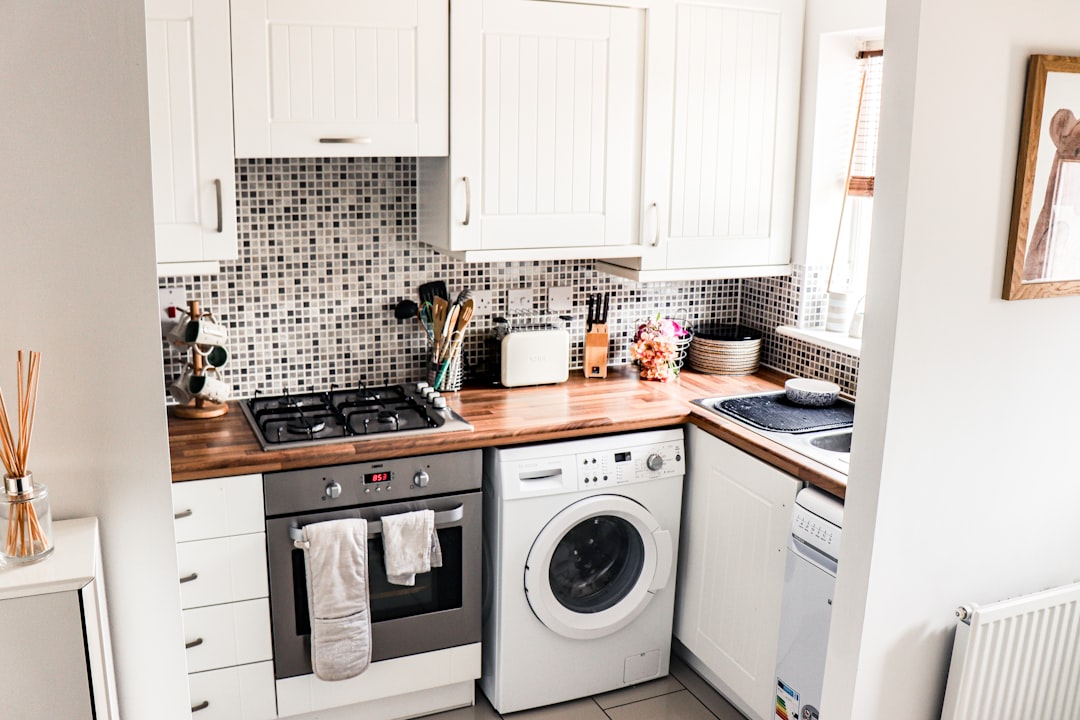
In recent years, the kitchen appliance market has undergone a significant transformation, driven by technological advancements, changing consumer preferences, and a growing emphasis on sustainability. As we delve into the current landscape of kitchen appliances, it’s essential to understand the trends shaping this industry and how they align with consumer behavior.
The global kitchen appliance market was valued at approximately $223 billion in 2021 and is projected to reach around $300 billion by 2028, growing at a compound annual growth rate (CAGR) of about 4.5%. This growth is indicative of a broader trend where consumers are increasingly investing in appliances that enhance their cooking experience and improve energy efficiency.
Key Insight: The shift towards smart kitchen appliances is not just a trend but a reflection of consumer demand for convenience and efficiency, with smart appliance sales expected to grow by 30% over the next five years.
One of the most notable trends is the rise of smart kitchen appliances. These devices, which can be controlled via smartphones or voice-activated assistants, are becoming increasingly popular among tech-savvy consumers. According to a recent survey, 60% of homeowners expressed interest in integrating smart technology into their kitchens. This interest is driven by the desire for convenience, as smart appliances can automate cooking processes, monitor food freshness, and even suggest recipes based on available ingredients.
However, the appeal of kitchen appliances is not solely rooted in technology. Budget-conscious consumers are also seeking out affordable yet efficient appliances. The market has seen a surge in budget-friendly options that do not compromise on quality. For instance, brands like Instant Pot and Ninja have gained popularity for their multifunctional appliances that cater to various cooking needs without breaking the bank. In fact, a report indicated that sales of budget kitchen appliances increased by 25% in the last two years, highlighting a shift in consumer purchasing behavior towards value-driven products.
Sustainability is another critical factor influencing consumer choices in the kitchen appliance market. As awareness of environmental issues grows, many consumers are prioritizing eco-friendly appliances that reduce energy consumption and minimize waste. Energy-efficient appliances, such as those certified by ENERGY STAR, are becoming increasingly sought after. A study found that 70% of consumers are willing to pay more for energy-efficient appliances, reflecting a significant shift towards sustainable living.
DIY enthusiasts are also making their mark in the kitchen appliance space. The rise of the DIY culture has led to an increase in the popularity of customizable appliances. Consumers are now looking for ways to personalize their kitchen gadgets, whether through aesthetic modifications or functional upgrades. This trend has given rise to a market for DIY appliance kits, allowing consumers to build or modify their appliances according to their preferences. This not only enhances the user experience but also fosters a sense of ownership and creativity in the kitchen.
Moreover, the COVID-19 pandemic has had a lasting impact on kitchen appliance purchasing behavior. With more people cooking at home, there has been a notable increase in demand for appliances that facilitate home cooking. Sales of kitchen gadgets like air fryers, bread makers, and food processors surged by over 40% during the pandemic, as consumers sought to replicate restaurant-quality meals at home. This trend is expected to continue as home cooking remains a popular activity.
As we look to the future, the kitchen appliance market is poised for further innovation. Companies are investing in research and development to create appliances that not only meet consumer needs but also align with broader societal trends. From smart technology to sustainability and DIY customization, the kitchen appliance landscape is evolving rapidly.
In conclusion, the kitchen appliance market is a dynamic space that reflects changing consumer preferences and technological advancements. As consumers become more discerning in their choices, the demand for smart, budget-friendly, and eco-friendly appliances will continue to shape the industry. Brands that can adapt to these trends and offer innovative solutions will thrive in this competitive market.